
Preventing Gaming From Engulfing You.
Recognizing Internet Gaming Disorder
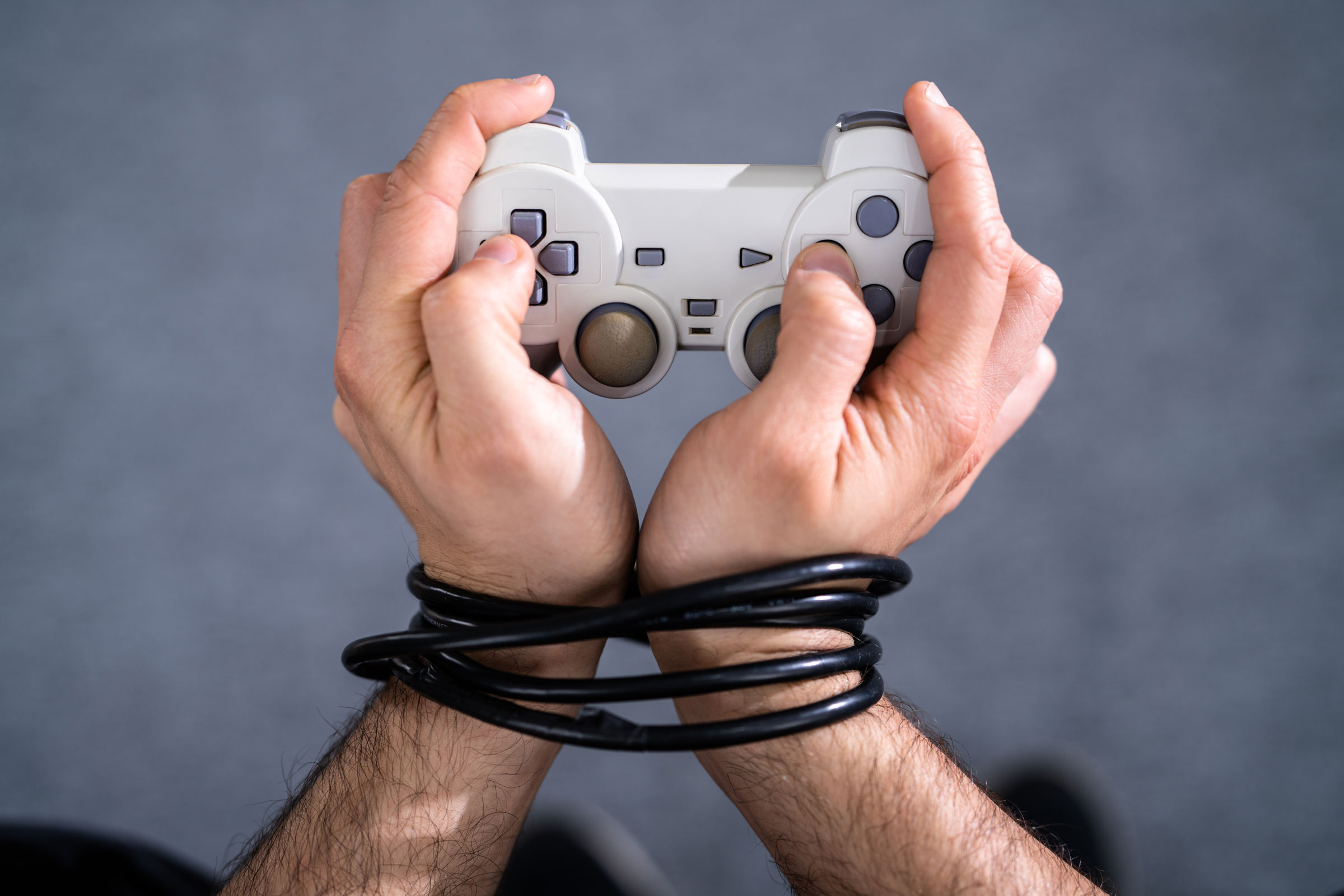
Are you feeling like your gaming, or someone else’s, is out of control? In recent years, video gaming has evolved from a casual hobby into a global phenomenon which produced revenues of 280 billion in 2024. While gaming has positive features or benefits (for e.g. gaming can foster creativity and strategic thinking, increase online social connections, improve eye hand coordination, and even open career paths), its darker side—Internet Gaming Disorder (IGD)—has emerged as a significant mental health concern, especially among youth and young adults. You may ask, how does this popular pastime turn into a problem? Or maybe you already feel impacted by your family member’s gaming – and their disappearance into another world! Are you having trouble getting responses from your teen, or your friend while they are on their phone or on their computer, playing a game? Is it more than occasional, and it seems like you’ve “lost them?”
What Is Internet Gaming Disorder?
Internet Gaming Disorder is characterized by excessive and compulsive use of online or offline video games that interferes with daily life. The World Health Organization (WHO) officially recognized “gaming disorder” in the International Classification of Diseases (ICD-11), defining it as a pattern of gaming behavior so severe that it takes precedence over other interests and daily activities. Currently Internet Gaming Disorder is not officially a disorder in the DSM 5 (American Psychiatric Association) but there is a big concern about the impact of excessive internet gaming enough to consider proposing it as a disorder.
Signs and Symptoms
Common signs of a person who has a problem with internet gaming include:
- Being preoccupied with internet games – thinking about them even when not playing.
- Unsuccessful in controlling participation
- Prioritizing gaming over usual social and recreation interests
- Withdrawal symptoms, such as irritability or anxiety when not playing
- Decline in academic, occupational, or even social functioning
- Needing to spend more and more time gaming
- Using internet games to escape negative emotions
- Lying to others about amount of gaming
The Science Behind Gaming Addiction
Games are often engineered to be rewarding, using mechanisms like:
- Unpredictable rewards (loot boxes, achievements)
- Social feedback and reinforcement (likes, rankings, clans, massively multiplayer online games)
- Endless play loops (no natural stopping points)
These features can trigger dopamine surges in the brain, reinforcing play and making it hard to stop—a cycle that resembles other behavioral addictions. Getting likes or going for a ranking can be quite motivating for some players. Some games are also engineered to make it difficult to stop – so a player can be on for hours if they have no outside reason to end a game!
The Economics Behind Gaming Addiction
Gaming companies are motivated to make money, and therefore, offer opportunities within the game to purchase a characteristic for the player’s avatar – or advantages like ability to run faster or jump higher for instance. Gaming companies stand to benefit by all the “microtransactions” within a game and gamers are offered many opportunities for purchasing throughout a game. In addition, when you have multiple purchases which are small – you may not track your purchases since you think they are minor. But suddenly that adds up to a big balance!
How to Prevent Internet Gaming Disorder
Prevention doesn’t mean cutting out games altogether. Instead, it’s about healthy habits and self-regulation. Parents may be under a lot of pressure themselves, and find it difficult to monitor their child’s/teens gaming but here are some suggestions on how to stay balanced:
1. Set Clear Time Limits
Use apps or parental controls to restrict screen time. Two app examples are Game Time Tracker or Qustodio and Microsoft Family Safety for parents. Stick to a schedule, especially on school nights or workdays. If you are an adult gamer, start tracking the amount of time you are playing per day. Consider if there are conditions that make you more likely to play, such as boredom, or an argument with someone, or a negative mood. Also, notice if the game you are playing doesn’t have a good endpoint and choose other games that will be easier to stop.
2. Balance Online and Offline Life
Encourage hobbies, sports, and in-person social activities that offer stimulation and satisfaction outside of the digital world. Tally up your time doing specific activities during your waking hours and see what you find. You should have a balance of work/school, home based tasks, social/talk time, hobbies and recreation. Even two hours a day could be a problem if you’re ignoring other types of activities. Get outside when possible, and connect to the natural world and the interesting persons in it!
3. Be Mindful of Emotional Triggers
Many people use games to escape stress, loneliness, or anxiety. Building emotional resilience through other coping skills such as journaling, drawing, talking to others, or meditation can reduce dependency. Do some risk-taking with real world people and activities!
4. Set Up Purchasing Limits
Avoid “freemium” games which don’t have purchase or “up front” fees to play, but will offer a lot of in game or microtransaction purchases. Set up your limits ahead of time – for example – that you can afford $25 per month for gaming expenses. Look at your bank or credit card statements and play detective to find what you are actually spending.
5. Parents: Foster Open Communication
Parents should talk with their kids about gaming habits, not just enforce rules. Understanding what is happening in games, what your child/teen enjoys about the experience, how your child/teen feels, and how they feel about themselves during play and afterwards is good information. That conversation will show your child that you care. Most importantly, talking about what is valued in the game, vs. what you value as a family can be helpful for a child to recognize the differences between life in games, and real life.
I remember speaking to my son sometime in his middle school years, stating that our family did not believe in this kind of aggression toward others in real life. He looked at me quizzically and responded that he is well aware that the behavior in games is different from what he does in real life. Though our family’s nonviolent approach to problem solving was (hopefully) ingrained in him already, having that conversation showed him that I cared about his activities. Because I heard a lot of bad language and angry outbursts when he was gaming with his friends, I even checked in with his friends – “are you still friends?” I was reassured that there was no question about the friendships and the momentary verbal aggressions toward each other were in the rearview mirror! Through these conversations I realized the benefit of the games by which people could express their aggressions more safely, attempt to control their virtual environment, recognize and form social alliances, and have some fun.
6. Know When to Seek Help
If gaming starts interfering with sleep, school, work, or relationships, it might be time to consult a mental health professional. Cognitive Behavioral Therapy (CBT) which focuses on thought processes and behaviors, has shown promising results for IGD, especially when combined with a supportive environment. In addition, identifying other types of mental health or behavioral problems which may be masked or worsened with gaming will then enable a parent or professional to address these issues.
Final Thoughts
Internet Gaming Disorder is a real and growing concern, but it’s preventable with awareness, balance, and support. Like any activity, gaming is only as healthy as the way it’s used. With the right strategies, individuals can enjoy the benefits of gaming without falling into unhealthy patterns. If you are a parent, take a closer look at what your child/teen is playing. Have some conversation, set some time and purchase limits. Most of all, all gamers and their families and friends should plan for recreational, family and enjoyable time, some with the mouse, some without the mouse!
If you are worried about yourself, or your child/teen, we suggest speaking to a mental health professional. Peopleworks-NM is able to see teens or adults for an assessment, and possible counseling for excessive internet gaming. If your child is younger than 15, we suggest seeking assistance with an agency who specializes in working with children. You may call Peopleworks-NM at 505-990-4186 or email us at peopleworksnm@gmail.com.
Peopleworks-NM was founded in 2009 by Cindy Anderson, MSW, LCSW, IGCC-I, to provide mental wellness services to older adults, without consideration to economic status. Peopleworks currently provides services to individuals 16 years old and up. PeopleWorks NM Is here to support your mental health therapy needs.







Recent Comments